3D simulation · Space and gravity
Solar and lunar eclipses, in 3D
The Sun, the Earth and the Moon lining up, the Moon's shadow racing across the Earth, and why eclipses are so rare. Not a drawing and not an AI guess: a simulation that runs the real numbers, narrated, with every moment landing on its word.
What the simulation shows
- The whole system from above: the Sun, the Earth going round it and the Moon going round the Earth, labelled.
- Close on the Earth spinning: the line between day and night sweeping round.
- Side view of the Earth's axis, tilted 23.4°, always pointing the same way in space.
- The whole orbit from above, a year passing in seconds: in June the north leans towards the Sun, in December away (labelled).
- The Moon going round the Earth over a month, its phase as seen from Earth shown live (new, crescent, quarter, full).
- Edge-on view: the Moon's orbit is tilted about 5° to the Earth's, so usually it passes above or below the Sun's line.
- The Moon passes exactly between the Sun and the Earth; its shadow (umbra) falls on the Earth: a total solar eclipse.
- The Earth passes between the Sun and the Moon; the Moon enters Earth's shadow and turns red (a blood moon).
The real numbers it runs on
The simulation is built on these facts, so the narration and the picture always agree:
- The Earth goes round the Sun in 365.25 days and spins once a day; its axis is tilted 23.4° and always points the same way in space.
- Seasons come from the tilt, not the distance: the Earth is actually closest to the Sun in early January. In June the north leans towards the Sun: longer days (about 15 hours of daylight at 40° north) and summer; in December about 9 hours.
- The Moon goes round the Earth in about 29.5 days from new moon to new moon; it has no light of its own, so we see the sunlit part change: new, crescent, quarter, gibbous, full.
- The Moon's orbit is tilted about 5° to the Earth's, so most months the new moon passes above or below the Sun: no eclipse.
- A solar eclipse happens at new moon when the Moon lines up exactly between the Sun and the Earth; its shadow is only about 160 km wide where it is total.
- The Sun is about 400 times wider than the Moon but also about 400 times farther away, so they look the same size in the sky.
- A lunar eclipse happens at full moon when the Earth lines up between the Sun and the Moon; the Moon turns red because sunlight bends through Earth's atmosphere, like all the sunsets on Earth at once.
The script this video was made from
“Why eclipses are so rare”: the narration of the video above. Each highlighted moment in the simulation happens on the word that names it.
Every month the Moon passes between us and the Sun. So why don't we get an eclipse every month?
Phases
As it circles us every 29 and a half days, we see more or less of its sunlit side: the phases.
The tilt
But the Moon's path is tilted, about 5 degrees. Most months its shadow sails above or below us.
The line-up
Only when all three line up exactly does its shadow touch the Earth, and a strip just 160 kilometres wide goes dark.
Blood moon
And when the Earth sits between them, the Moon slides into our shadow and turns red, lit by every sunset on Earth at once.
Make your own
- Type a question, like “Why eclipses are so rare”, or your own angle on it.
- ContentRoof picks this simulation, researches the facts and writes a short script, with every moment cued to a word.
- A natural voice reads it in your language and the simulation plays in time with it. Change any line and it follows.
- Download a vertical video for Shorts, TikTok and Reels, or use it in class.
Questions
Is this a real simulation or an AI-generated video?
A real simulation. Solar and lunar eclipses runs on the numbers listed above, so what you see is what actually happens, frame by frame. AI video generators guess what a scene should look like; they often get the science wrong.
Can I change what the narrator says?
Yes. Type your own question or idea and the AI writes a new script for this simulation, or edit any line yourself. Every moment of the simulation lands on the word that names it.
Which languages can it narrate in?
Eleven: English, Urdu, Hindi, Arabic, Spanish, French, Portuguese, German, Italian, Russian and Polish, with captions written properly (Urdu in Nastaliq, Arabic right to left).
Can I use it in class or post it on YouTube?
Yes. The video is yours to use in lessons, on YouTube Shorts, TikTok and Instagram Reels. The free plan makes 2 3D simulations a month; paid plans make more, in 1080p without the small mark.
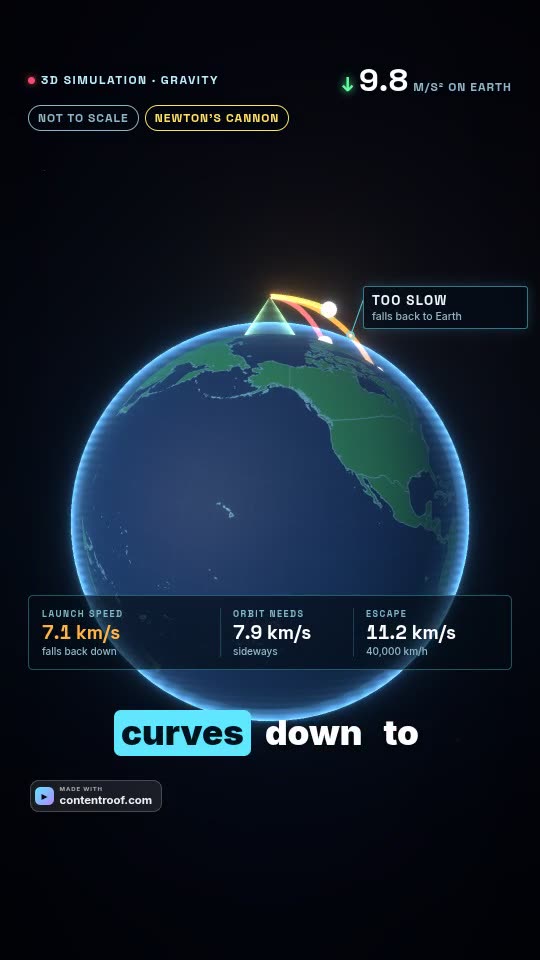 Gravity and orbits
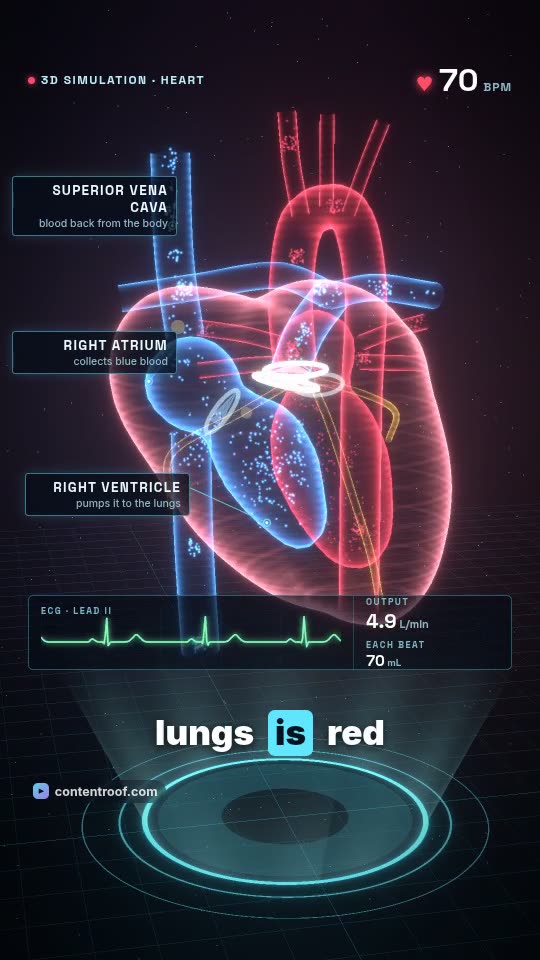 How the heart pumps blood
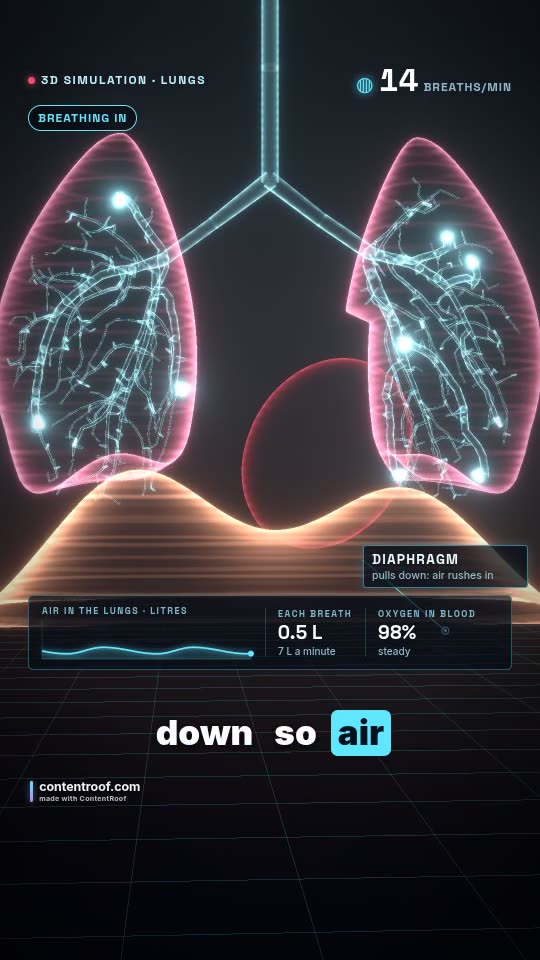 How the lungs work
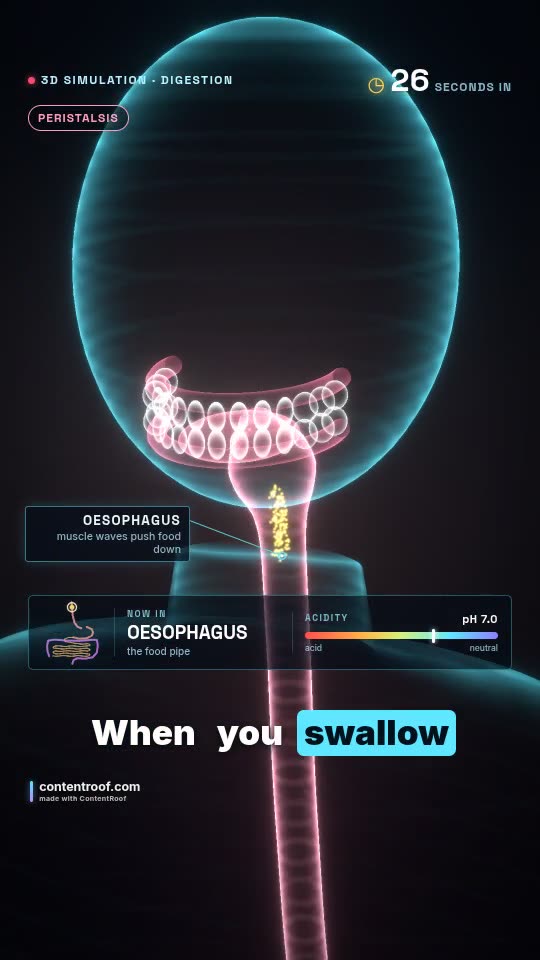 The digestive system
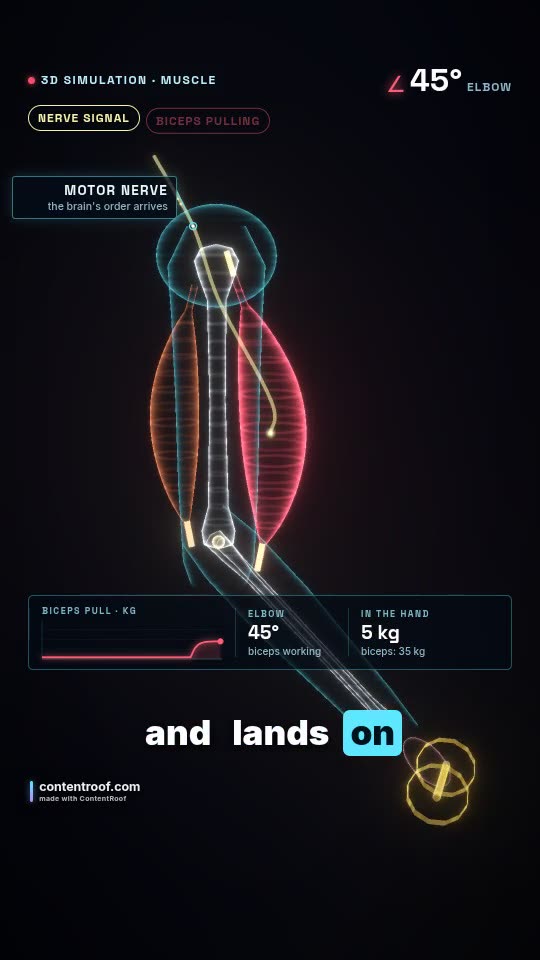 How a muscle moves a bone
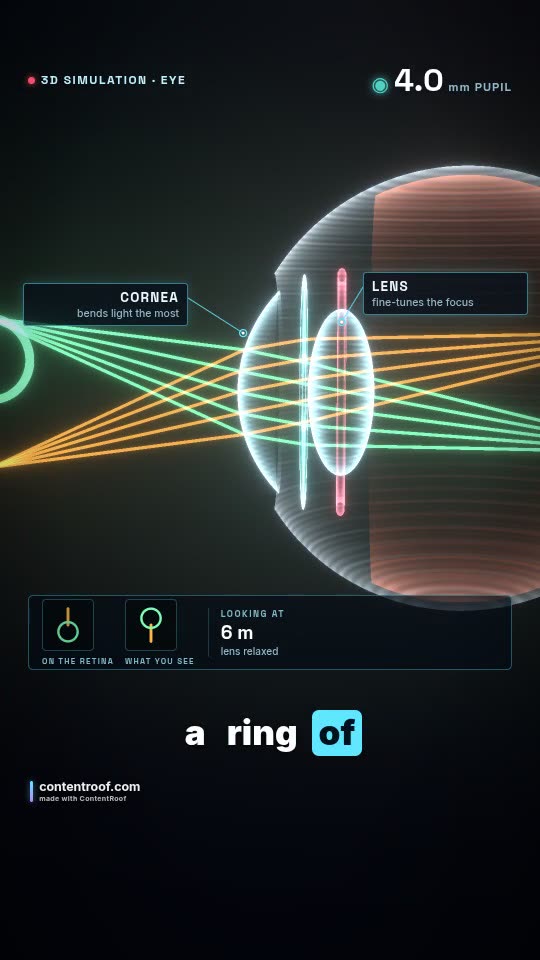 How the eye works
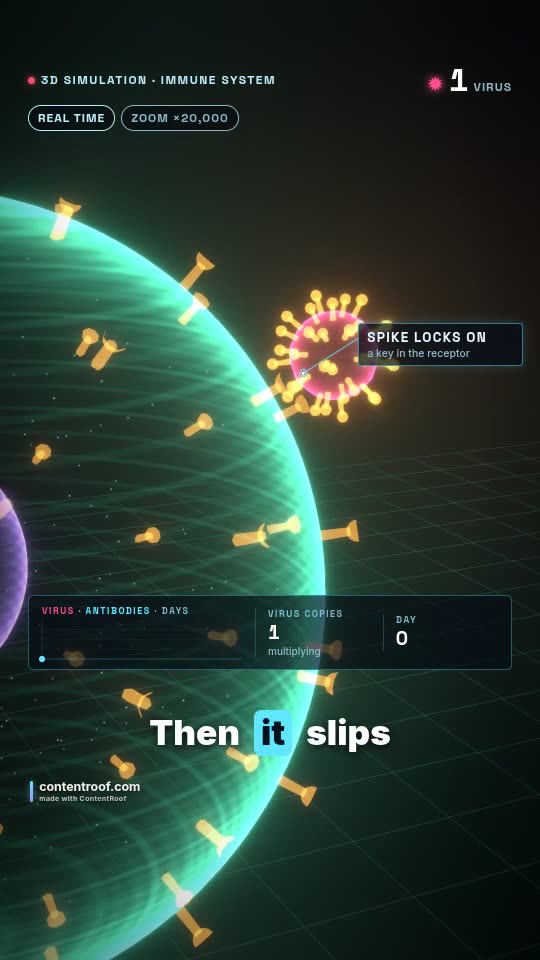 How a vaccine trains your immune system
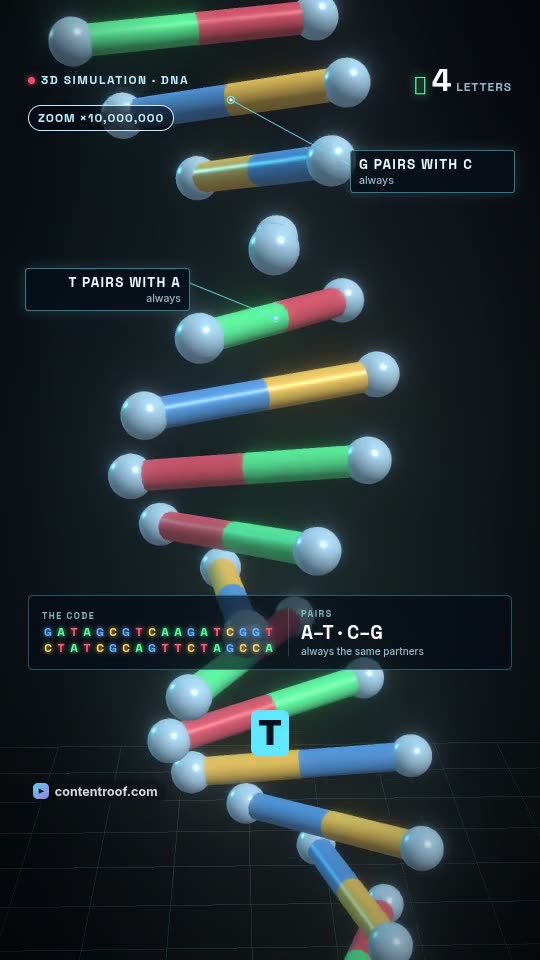 DNA