3D simulation · Cells and microbes
DNA, in 3D
The double helix, its four letters, how it unzips and copies itself, and how two metres of it fit inside every cell. Not a drawing and not an AI guess: a simulation that runs the real numbers, narrated, with every moment landing on its word.
What the simulation shows
- The double helix turning, labels its backbone (sugar and phosphate).
- Close on the rungs: four letters, and A always pairs with T, C with G (labelled).
- The two strands unzipping from one end, like a zip.
- Each separated strand collecting new matching letters, so one molecule becomes two identical ones.
- A short stretch (a gene) opening and being copied into a messenger strand (RNA) that floats away to be made into a protein.
- Close-up: one letter changes into another, a typo (a mutation), with a flash.
- Zooms out: the DNA winds on spools, coils and folds into an X-shaped chromosome.
- A counter rolls up to 3.2 billion: letters in each of your cells.
The real numbers it runs on
The simulation is built on these facts, so the narration and the picture always agree:
- DNA is a twisted ladder (a double helix): two backbones of sugar and phosphate, joined by rungs of four chemical letters: A, T, C and G.
- The letters always pair the same way: A with T, C with G. So each strand holds all the information to rebuild the other.
- To copy itself, DNA unzips and each strand collects new matching letters: two identical molecules, about 50 letters a second at each fork (thousands of forks work at once).
- A gene is a stretch of DNA; to use it, the cell copies it into messenger RNA (U instead of T), which is read to build a protein.
- A mutation is a change of letters, a typo; most do nothing, some cause disease, and over many generations they drive evolution.
- Each human cell has about 3.2 billion letter pairs; stretched out, its DNA would be about 2 metres long, packed into a nucleus a hundredth of a millimetre wide by winding it around protein spools and folding it into chromosomes.
- One full turn of the helix is about 10 letters.
The script this video was made from
“The two-metre code”: the narration of the video above. Each highlighted moment in the simulation happens on the word that names it.
Inside every one of your cells is a molecule two metres long. It's the instructions for building you.
Four letters
It's written in just four letters, and they always pair the same way: A with T, C with G.
The copy
To copy it, the cell unzips the ladder, and each half collects new partners. Two perfect copies.
Reading
To use a gene, the cell makes a messenger copy, a recipe for one protein.
Typos
Sometimes a letter changes. A single typo can change a protein.
Packed
And all of it is folded into chromosomes, 3 billion letters in a space far smaller than a grain of sand.
Make your own
- Type a question, like “The two-metre code”, or your own angle on it.
- ContentRoof picks this simulation, researches the facts and writes a short script, with every moment cued to a word.
- A natural voice reads it in your language and the simulation plays in time with it. Change any line and it follows.
- Download a vertical video for Shorts, TikTok and Reels, or use it in class.
Questions
Is this a real simulation or an AI-generated video?
A real simulation. DNA runs on the numbers listed above, so what you see is what actually happens, frame by frame. AI video generators guess what a scene should look like; they often get the science wrong.
Can I change what the narrator says?
Yes. Type your own question or idea and the AI writes a new script for this simulation, or edit any line yourself. Every moment of the simulation lands on the word that names it.
Which languages can it narrate in?
Eleven: English, Urdu, Hindi, Arabic, Spanish, French, Portuguese, German, Italian, Russian and Polish, with captions written properly (Urdu in Nastaliq, Arabic right to left).
Can I use it in class or post it on YouTube?
Yes. The video is yours to use in lessons, on YouTube Shorts, TikTok and Instagram Reels. The free plan makes 2 3D simulations a month; paid plans make more, in 1080p without the small mark.
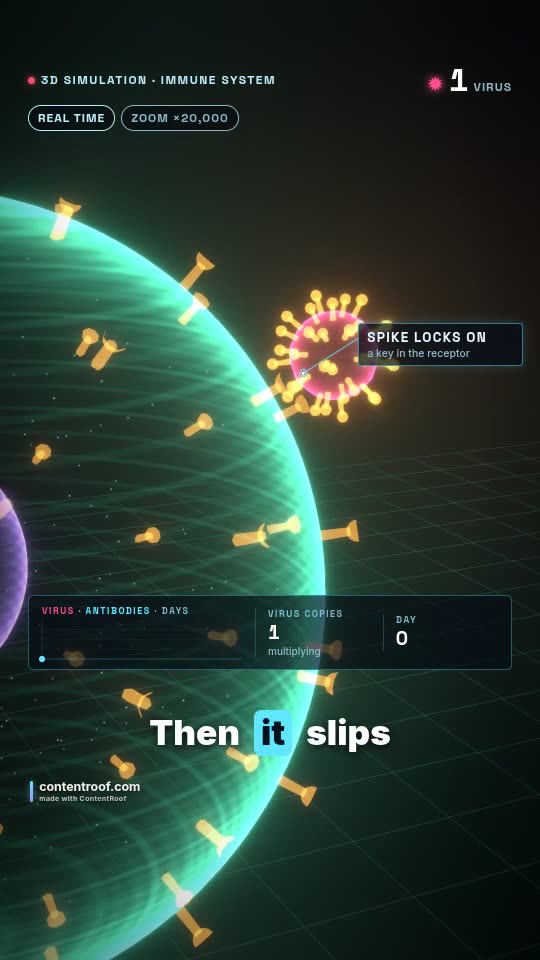 How a vaccine trains your immune system
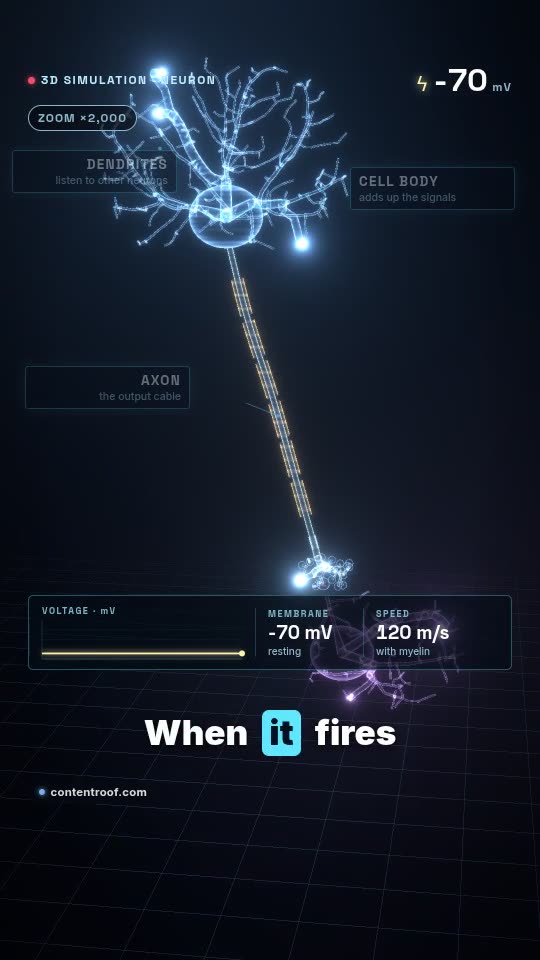 How a neuron sends a signal
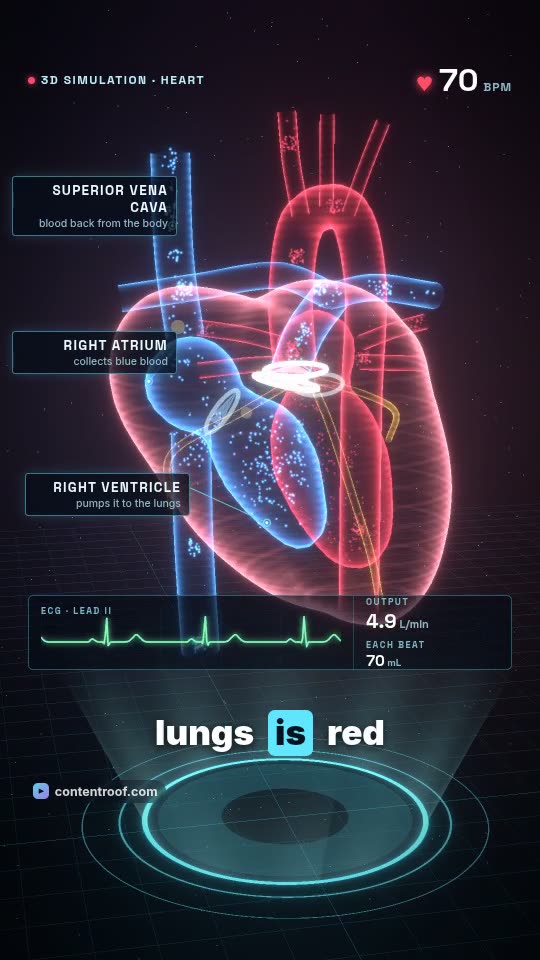 How the heart pumps blood
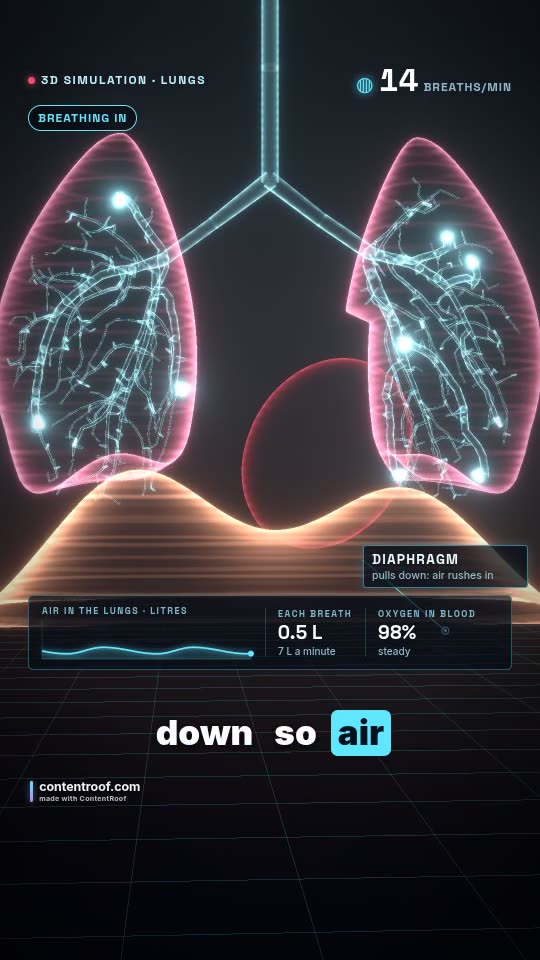 How the lungs work
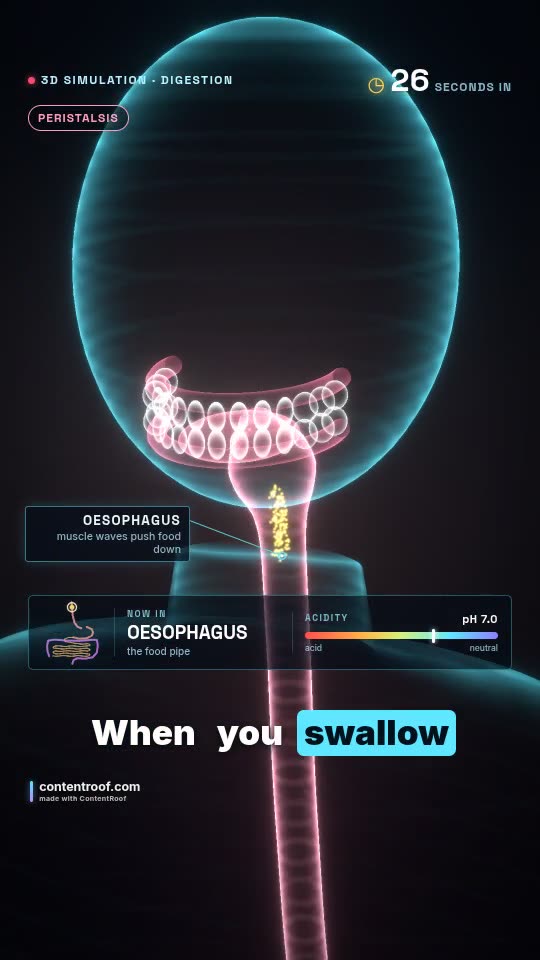 The digestive system
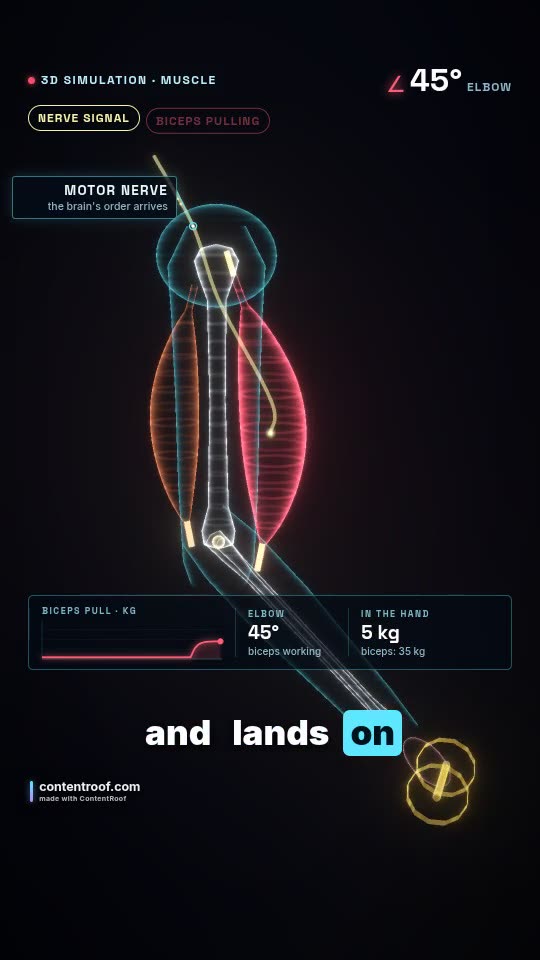 How a muscle moves a bone
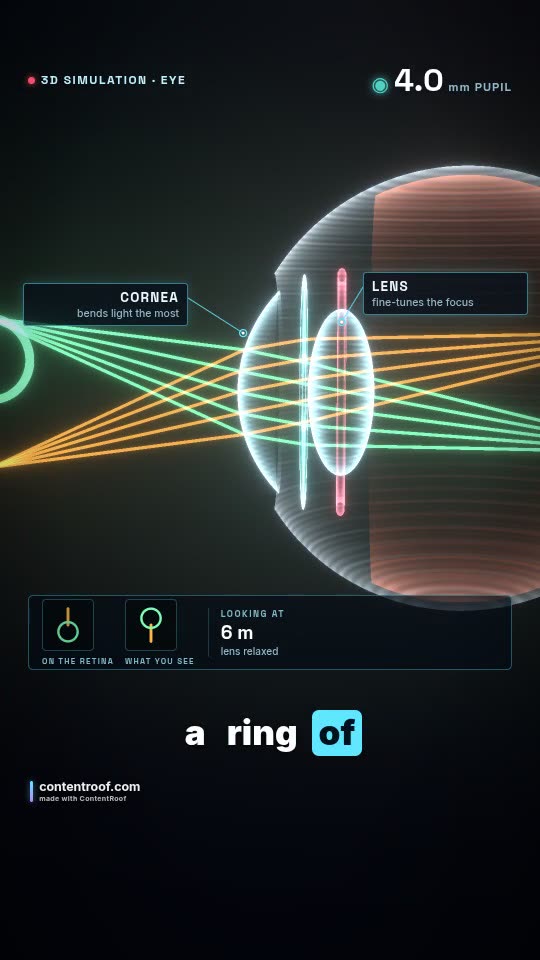 How the eye works
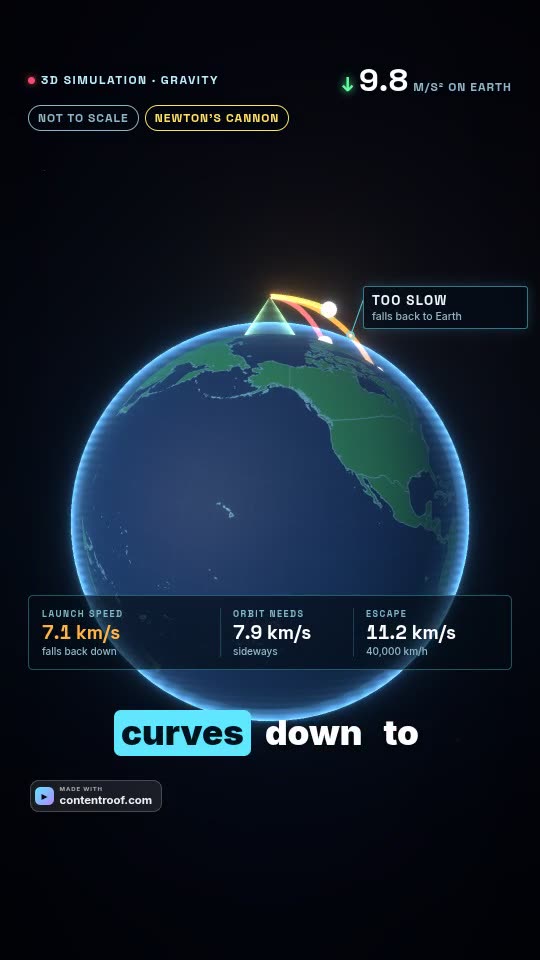 Gravity and orbits